
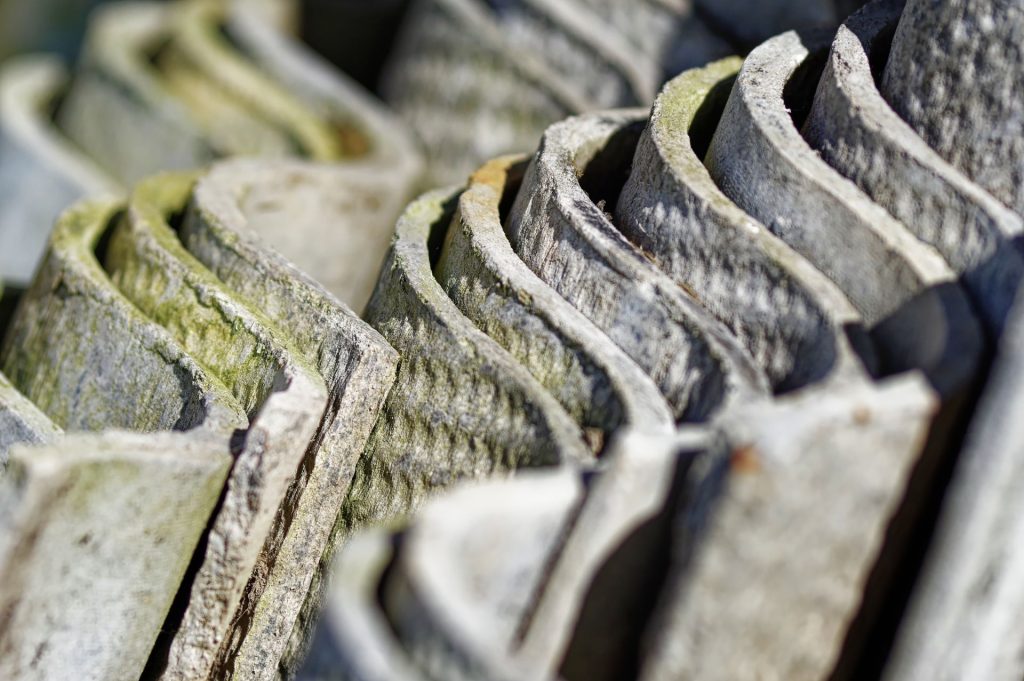
Across the UK, many older industrial, commercial, agricultural and outbuilding roofs were constructed using asbestos cement sheets. While these roofs can remain in place for many years, their age means property owners may eventually begin dealing with leaks, damaged sheets, deterioration or plans to refurbish the building.
If you have an older sheeted roof and suspect it contains asbestos, the first question is usually: what should you do with it?
Does it need removing immediately? Can it be repaired? Can another roofing system be installed? Or is complete replacement the better long-term option?
At M&D Roofing & Cladding, we understand that every roof and property is different. The appropriate solution depends on factors including the condition of the existing roof, the building’s use and the extent of any deterioration.
Here are some of the key considerations.
What Are Asbestos Cement Roof Sheets?
Asbestos cement products were widely used historically because they offered a durable and relatively economical building material.
Corrugated asbestos cement sheets were particularly common on buildings such as:
- Warehouses
- Factories
- Workshops
- Agricultural buildings
- Garages
- Storage facilities
- Commercial premises
- Industrial units
Their appearance can be similar to some non-asbestos fibre-cement products, so you shouldn’t assume that a roof does or doesn’t contain asbestos based solely on appearance.
If there’s uncertainty, appropriate identification or testing should be undertaken before work that could disturb the material.
Does an Asbestos Cement Roof Need to Be Removed?
The presence of asbestos-containing material doesn’t automatically mean a roof has to be removed immediately.
The appropriate management approach depends on its condition and the likelihood of it being disturbed.
Material that is in good condition and appropriately managed can present a very different situation from sheets that are badly damaged, deteriorating or likely to be disturbed by planned building work.
A suitable assessment can help determine the condition of the roof and the appropriate next steps.
Option 1: Manage the Existing Roof
If the roof remains in suitable condition and isn’t being disturbed, ongoing management may sometimes be appropriate.
This involves understanding where asbestos-containing materials are located, monitoring their condition and ensuring anyone who may carry out work on the building is made aware of them.
For workplaces and non-domestic premises, there are specific legal duties relating to the management of asbestos.
If you’re responsible for such a building, make sure you understand and comply with your obligations.
Option 2: Repairing a Problem Roof
When a roof begins leaking, the immediate reaction is often to repair the damaged section.
However, work involving asbestos cement requires additional consideration.
Drilling, cutting, breaking or otherwise disturbing asbestos-containing material can release fibres. The type of work, condition of the material and method used all influence what controls and competence are required.
For this reason, you shouldn’t treat a suspected asbestos cement roof like an ordinary modern roofing sheet.
Before repairs are undertaken, the material should be properly identified and the work assessed so the correct procedures can be followed.
Option 3: Overlay or Overcladding
Depending on the existing roof and professional assessment, an overlay or overcladding system may sometimes be considered.
Rather than immediately removing the entire existing roof, a new roofing system may be installed as part of a carefully designed solution.
This can potentially improve the external appearance and weather protection of the building while reducing the need to disturb existing materials.
However, overcladding isn’t automatically suitable for every building.
The existing structure, roof condition, additional loading, condensation control, insulation requirements, drainage and future maintenance all need to be considered.
The presence of asbestos must also remain properly documented and managed.
Option 4: Complete Roof Replacement
In some circumstances, complete removal and replacement may be the preferred long-term approach.
This may be considered where the existing roof has significantly deteriorated, the building is undergoing major refurbishment or the property owner wants to invest in a completely new roofing system.
Removing the old roof creates an opportunity to install a modern roofing specification appropriate for the building.
Depending on the project, this could also provide opportunities to consider insulation, rooflights, drainage and the wider appearance of the property.
Can Asbestos Cement Sheets Be Removed?
Yes, asbestos cement products can be removed, but that doesn’t mean they should be handled like ordinary construction waste.
The work needs to be assessed and completed in accordance with applicable asbestos regulations and waste requirements.
Some asbestos work requires a licensed contractor, while other work may fall into different regulatory categories. The exact requirements depend on the material, its condition and the nature of the work.
An appropriate asbestos professional or competent contractor should determine what applies to the specific project.
Never Break Sheets to Make Removal Easier
Asbestos-containing roof sheets shouldn’t simply be smashed, broken or cut into smaller pieces for convenience.
Damaging asbestos-containing materials can increase the potential for fibres to be released.
Similarly, homeowners, employees or general maintenance staff shouldn’t start drilling, grinding, sanding or pressure-washing suspected asbestos cement sheets without understanding the risks and applicable controls.
Professional advice should come first.
What If the Roof Is Leaking?
A leaking asbestos cement roof needs careful investigation.
The leak may relate to a damaged sheet, fixings, junctions, flashings or another part of the roofing system.
The important thing is not to start disturbing suspected asbestos-containing sheets while trying to find a quick fix.
A roofing inspection can help identify the source of the water ingress and determine what options may be appropriate.
Signs Your Older Sheeted Roof Needs Attention
Even if your roof isn’t currently leaking heavily, there can be warning signs that it’s time to arrange an inspection.
These may include:
- Cracked or damaged sheets
- Persistent water ingress
- Deteriorating fixings
- Damaged flashings
- Visible roof deterioration
- Previous temporary repairs
- Problems around rooflights
- Internal signs of water penetration
Early assessment can give you more time to consider your options rather than waiting for a significant roof failure.
Could a New Roof Improve the Building?
Replacing an ageing industrial or commercial roof isn’t only about solving leaks.
A properly specified modern roofing and cladding system can significantly update the appearance of a building.
Depending on the project, it may also provide an opportunity to improve thermal performance, weather protection and natural daylight through appropriately specified rooflights.
For commercial property owners, a roof refurbishment can form part of a wider improvement programme for the entire building.
Think About Insulation and Condensation
If you’re refurbishing an older roof, it’s worth considering more than the external sheet.
Older industrial buildings can have limited insulation, and condensation can sometimes be mistaken for a leaking roof.
A new roofing specification should consider how the building is used, ventilation, insulation and condensation control.
This is particularly important if the use of the building has changed since the original roof was installed.
Don’t Forget Gutters, Flashings and Rooflights
The main roof sheets are only one part of the complete roofing system.
When assessing an older roof, it’s also important to inspect surrounding components.
Gutters may be blocked or deteriorating. Flashings can fail. Older rooflights can become damaged, discoloured or brittle.
Looking at the entire roof rather than one isolated leak can provide a clearer picture of the building’s requirements.
Asbestos Management for Commercial Property Owners
If you own, occupy or manage a non-domestic property, asbestos management needs to be taken seriously.
Those responsible for maintenance and repair may have a legal duty to manage asbestos within the premises.
This includes identifying or presuming the presence of asbestos where appropriate, assessing its condition, maintaining suitable records and ensuring relevant information is provided to people who may disturb it.
If you’re unsure about your responsibilities, obtain advice from a competent asbestos professional.
Repair, Overclad or Replace?
There’s no single solution that’s right for every asbestos cement roof.
The appropriate option depends on several factors, including:
Condition – Is the roof generally sound or significantly deteriorated?
Leaks – Are problems isolated or occurring across multiple areas?
Building use – Is the property a warehouse, workshop, agricultural building or another type of premises?
Future plans – Are you maintaining the building as it is or planning a major refurbishment?
Structure – Can the existing building support the proposed roofing solution?
Budget and longevity – Are you looking for an appropriate short-term management strategy or a longer-term roof upgrade?
A professional inspection can help you understand these factors before committing to a particular approach.
Roofing & Cladding Solutions from M&D Roofing & Cladding
At M&D Roofing & Cladding, we work with property owners to assess ageing roofing and cladding systems and determine an appropriate way forward.
Whether you’re dealing with an older industrial roof, persistent leaks, damaged sheeting or planning a larger roof refurbishment, getting the right advice at the beginning can prevent unnecessary problems later.
Where asbestos-containing materials are suspected or confirmed, the work needs to be properly assessed and managed in accordance with the relevant requirements.
Concerned About an Older Asbestos Cement Roof?
Don’t wait until a small roofing problem develops into significant water ingress or disruption to your building.
If you have an older industrial, commercial or agricultural roof and you’re considering repair, overcladding or complete replacement, speak to the professionals.
Contact M&D Roofing & Cladding today to arrange a roof assessment and discuss the options available for your property.